Generator connections
Discuss the electrical connection and transfer equipment needed for a compatible generator installation.

Backup power in Sault Ste. Marie
Plan backup around what matters most: the circuits you need, the loads they carry, and how you want to prepare for an outage.
Generators & Inverter Backup
Generators and battery systems meet different needs. Veteran Electric can review the electrical connections, transfer equipment, and system requirements for your property.
Discuss the electrical connection and transfer equipment needed for a compatible generator installation.
Store electricity for selected backup circuits, with equipment sized around their demand and your priorities.
Review whether a generator, battery system, or compatible combination is appropriate for the installation.
Smarter Power
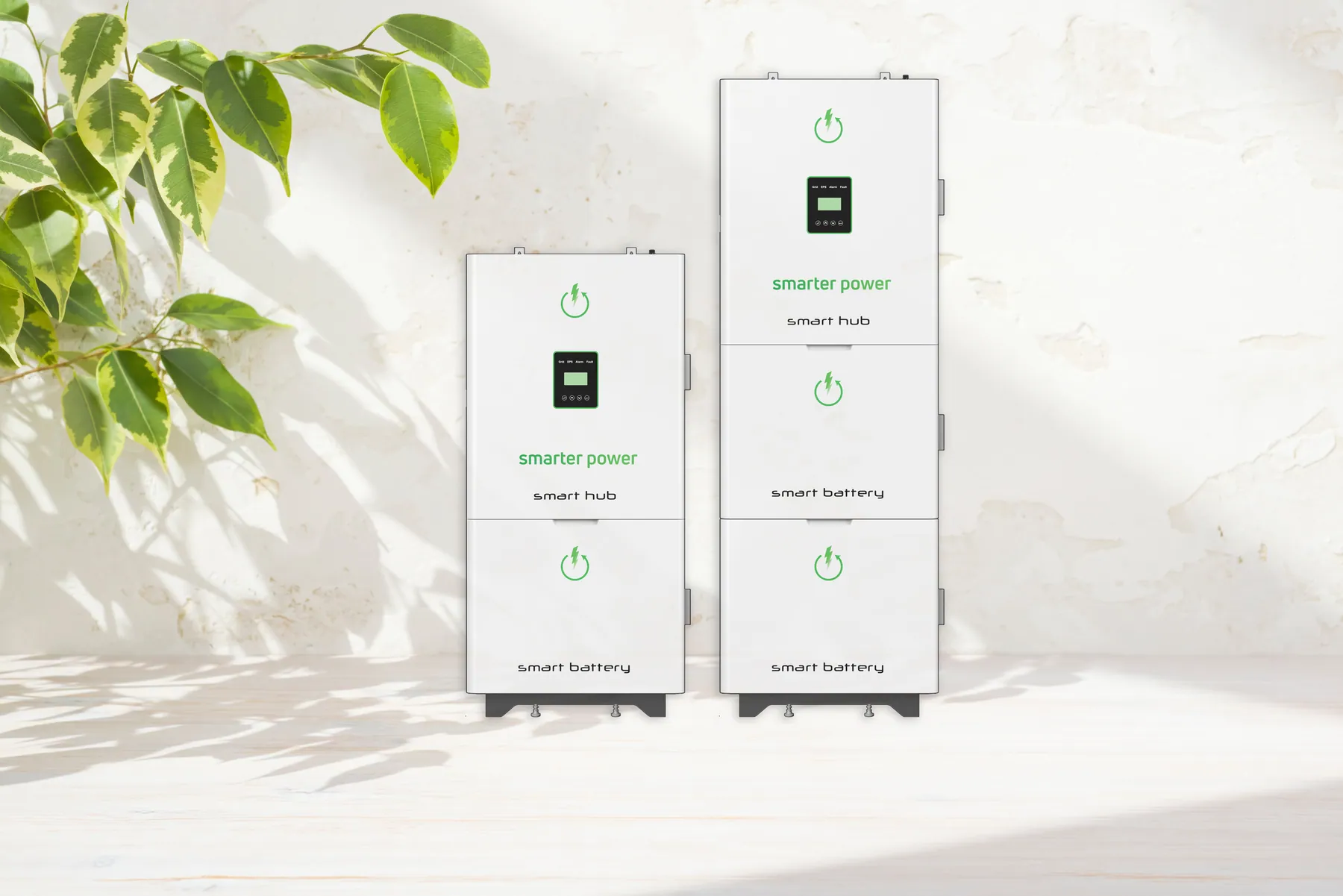
The Smart Battery Storage System combines a Smart Hub inverter, lithium iron phosphate batteries, and transfer equipment. It stores electricity for later use and can provide backup to the circuits selected in the installation design.
Solar panels are optional. A compatible system can also store solar energy where solar is installed. Electricity-rate scheduling and app monitoring can be considered as part of the setup.
Sized around your home
Battery capacity affects how long stored energy lasts. Inverter output and equipment demand affect what can run together.
Identify the circuits you want supported and the equipment connected to them.
Assess the panel, equipment location, intended loads, and any existing generator or solar equipment.
Review the recommended configuration, installation scope, and current equipment terms before proceeding.
Runtime and savings vary by configuration, available charge, electricity rates, and household use. Manufacturer specifications, warranty terms, and site requirements are confirmed during assessment.
Manufacturer product informationCommon questions
Backup should be designed around selected circuits. Runtime depends on battery size, available charge, and the demand of the connected equipment. Large heating loads and long outages need a separate assessment.
No. The system can store electricity from the grid. Compatible solar may be added or integrated where the equipment and installation design support it.
Savings are specific to the home and depend on usage, the rate plan, operating schedule, and the installed system. Bring recent electricity bills and usage information so the opportunity can be assessed rather than assumed.
Bring three recent electricity bills, your location, and a list of what you want to keep running during an outage. Existing generator, solar, or other equipment details are also useful.
Bring your priorities and recent electricity bills. We will review the electrical requirements before equipment is recommended.